
Springfield, Oregon
Springfield is where the McKenzie corridor meets city services — the trailhead of Highway 126, minutes from the river and home to everything you drive down for.
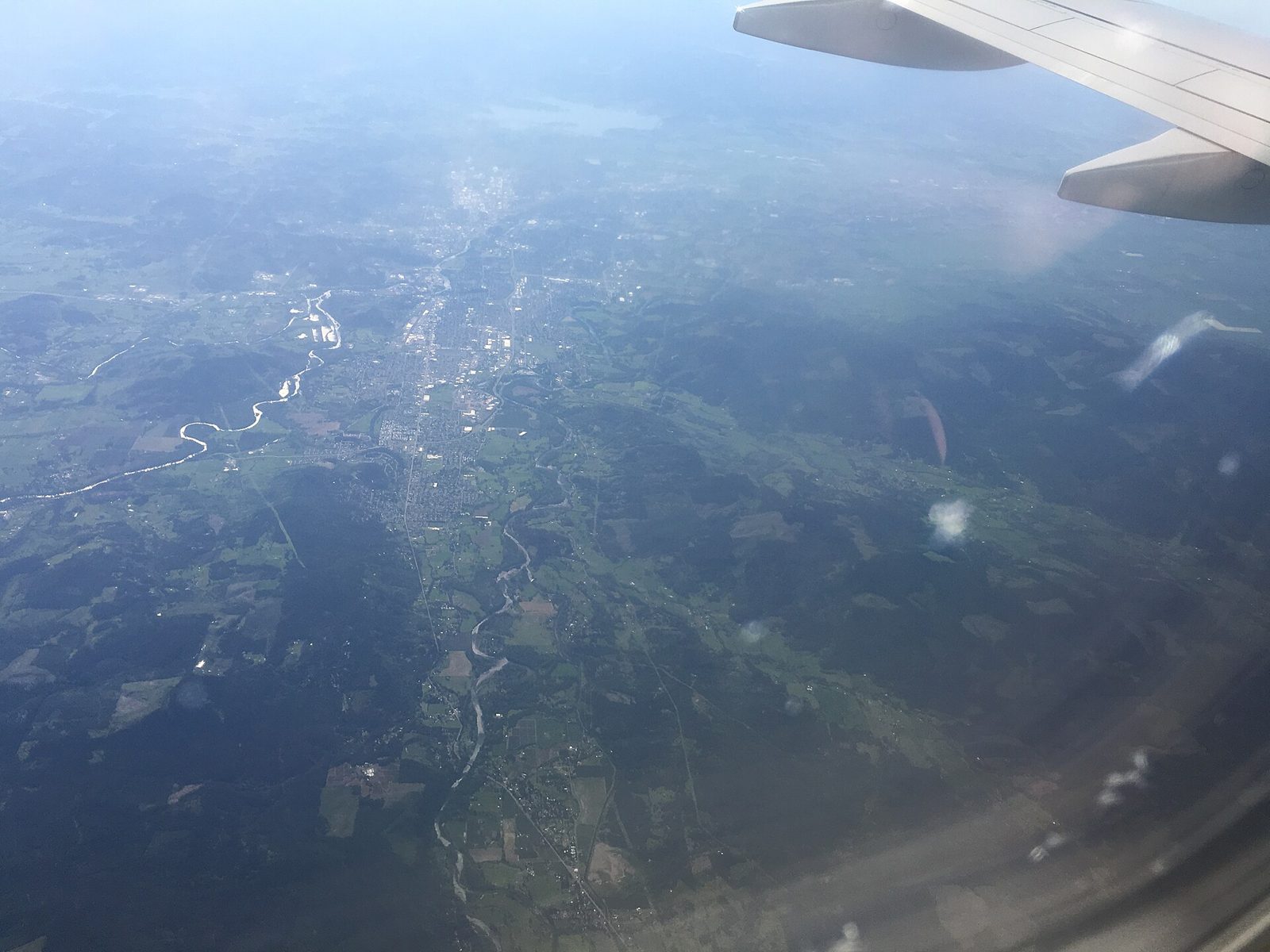
Springfield sits at the mouth of the McKenzie Valley, where the river country begins. It is the working heart of the corridor: the grocery runs, the hardware stores, the hospital, and the Highway 126 on-ramp that everyone up river uses. If your life splits between town convenience and river weekends, Springfield is the balance point.
The city has its own river story, too. The Middle Fork of the Willamette wraps its south side — Clearwater Park puts a boat launch and riverside trails inside city limits — and downtown Main Street has been steadily finding its stride with local shops and restaurants. PeaceHealth RiverBend anchors the Gateway area, which matters both for jobs and for anyone who wants to live rural without being far from care.
For buyers, Springfield offers the widest range on the corridor: established in-town neighborhoods, newer construction toward Thurston, and the first rural properties as you head east. For sellers, it is the deepest buyer pool in the area — homes here reach commuters, first-time buyers, and downsizers coming off acreage all at once.
Springfield at a glance
- Gateway to the McKenzie corridor via Highway 126
- Middle Fork Willamette riverfront at Clearwater Park
- PeaceHealth RiverBend medical center in the Gateway district
- Revitalized Main Street and downtown core
- The last full-service stop before the valley: groceries, fuel, trades
Springfield questions, answered
Is Springfield a good base for exploring the McKenzie Valley?
Yes — Springfield sits at the start of Highway 126, the road up the McKenzie. Walterville is about ten minutes east, Leaburg and Vida roughly twenty to thirty, and the upper valley around Blue River and McKenzie Bridge is about an hour. It is the closest full-service city to the whole corridor.
Do Springfield homes use city utilities or wells and septic?
Most in-town homes are on city water and sewer, but properties on the eastern and southern edges can be on wells and septic systems. Always verify the actual systems on the specific property — it changes inspections, insurance, and monthly costs.
How is Springfield different from Eugene for buyers?
Springfield generally offers more home for the money, a quicker route to the McKenzie corridor, and a more compact, small-city feel. Eugene brings the university, larger job base, and bigger cultural calendar. Many buyers shop both; the right answer depends on commute and lifestyle.
What should sellers in Springfield do before listing?
Tighten the basics: honest pricing against both Springfield and Eugene comps, professional photos, and repairs documented up front. If your property touches rural systems — a well, septic, or outbuildings — gather those records early; they are the first things serious buyers ask about.